

On Page SEO Guide 2026: From Student Basics to Business Growth
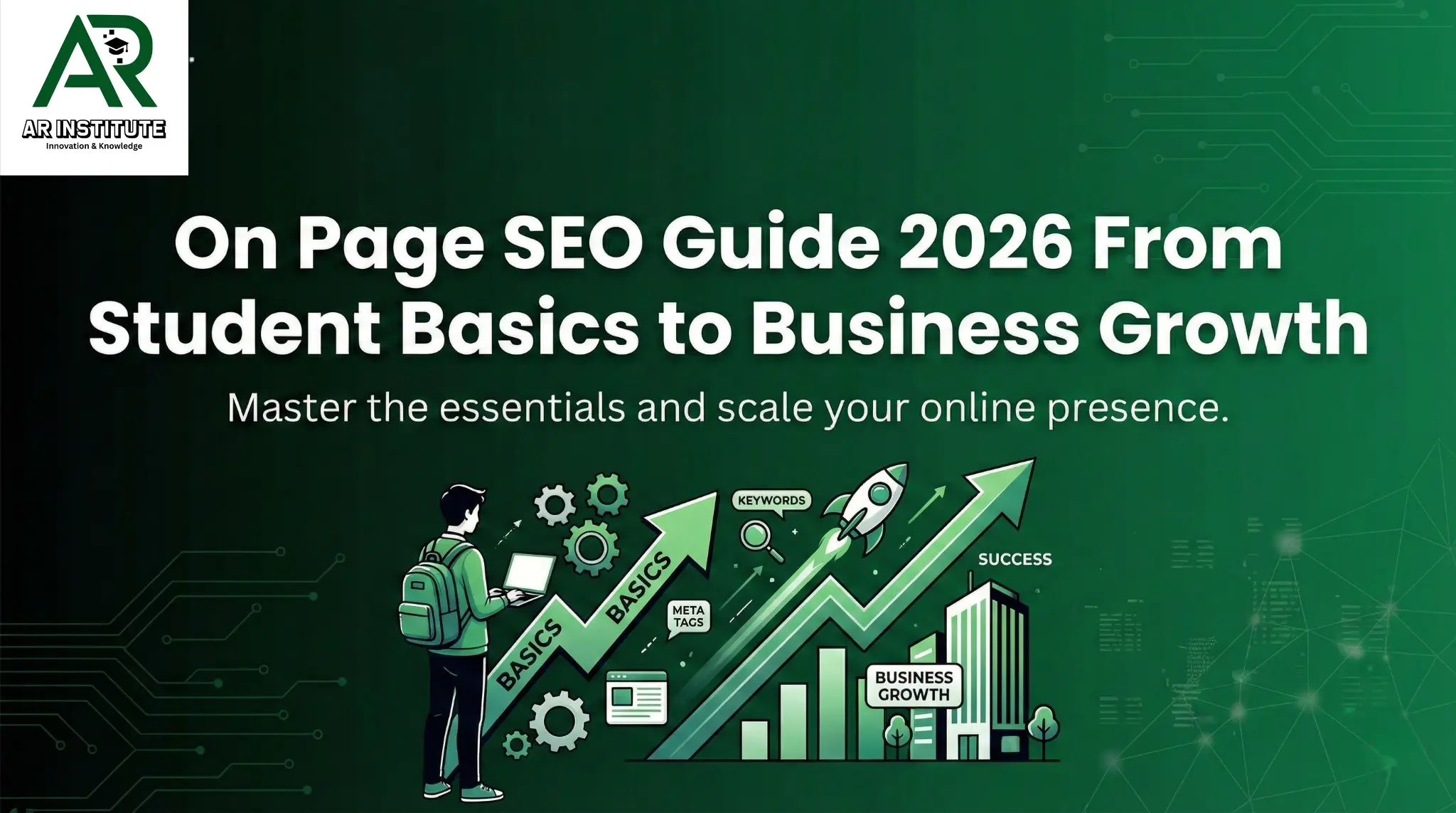
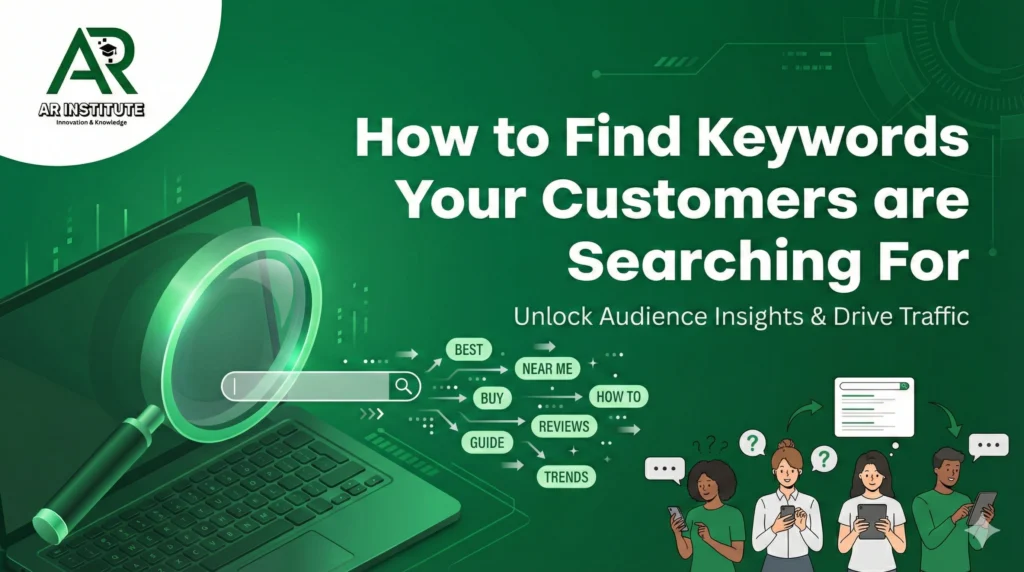
Last week, we showed you how to find the right keywords. Today, we take the next step: On Page SEO.
If keyword research is the map, On Page SEO is the engine that actually moves your website to the top of Google. It is the system of optimizing individual internet pages to rank higher and earn relevant traffic.
Whether you are a student looking to start a career or a business owner trying to get more leads, this manual will display precisely how to win.
Why On Page SEO is Your Secret Weapon
You cannot control Google’s algorithm, and you cannot always control who links to your site. However, you have 100% control over your own pages.
Learning these steps makes you an immediate asset to any global marketing agency.
Good on-page SEO turns browsers into buyers by making your site easy to read and trust.
Foundation: Titles, Headers and URLs
Google reads your code before it reads your content. You must make it easy for the search engine to understand your topic.
-
1. Title Tags
Keep your name below 60 characters. Place your main keyword near the beginning.
Example: Digital Marketing Course in Lahore | Enroll at AR Institute. - 2. Meta Descriptions This is your sales pitch. Write a 145 to 160 character summary that makes people want to click.
- 3. Header Tags (H1, H2, H3) Use only one H1 tag for your main title. Use H2s and H3s for sub-topics. This helps Google and humans skim your page efficiently.
- 4. Simple URLs Avoid long strings of numbers. Use clean paths like arinstitute.co/on-page-seo-guide instead of messy strings.
Writing Content for 2026: AI & User Intent
In 2026, Google cares more about helpful content than keyword stuffing.
Answer Questions Directly: Modern SEO uses AI Overviews. If you answer a question clearly in the first paragraph, Google is more likely to feature your site.
Use Natural Language: Write like you talk. Instead of repeating the same keyword 20 times, use related terms. If you write about Coffee, also mention beans, brewing, and cafes.
Show Authority (E-E-A-T): Include an author bio. Show the reader that a verified expert wrote the content.
Don’t Forget the Images
- Alt Text: Always describe your image in the Alt Text box. This enables visually impaired customers and tells Google what the photograph is about.
- Compress Files: Large images kill your page speed. Use tools to shrink image sizes so your site loads in under 3 seconds.
Turning Readers into Leads
Ranking #1 is great, but generating revenue is better. At AR Institute, we teach you how to bridge that gap.
Internal Linking: Link to your other blog posts or service pages. This keeps users on your site longer and builds authority.
Call to Action (CTA): Every page needs a goal. Use buttons like “Apply for SEO Training” or “Get a Free Website Audit.” Place these in the middle and at the end of your post.
Your 10-Point On Page SEO Checklist
- Primary keyword is in the H1 Tag.
- The URL is short and clean.
- Images have Alt Text.
- The page loads in less than 3 seconds.
- You answered the main question in the first 100 words.
- You used H2 and H3 tags for subheadings.
- There is a clear Call to Action (CTA).
- Content is original and plagiarism free.
- You linked to 2-3 other pages on your site.
- The meta description is engaging and under 160 characters.
Conclusion
On Page SEO is not a one-time job. It is a habit. By following these simple steps, you make your website more visible, more professional and more profitable.
Ali Raza Solutions
Digital Legacy Architect specialized in engineering high-performance ROI ecosystems at AR Institute.


A really good blog and me back again.
每天都在战争,希望2026和平.
навес из поликарбоната поликарбонат навес заказать